What We Do
Procedures and Treatments includes all type of digestion diseases.

Gastro-Intestinal Disorder
Gastrointestinal diseases (abbrev. GI diseases or GI illnesses) refer to diseases involving the gastrointestinal tract, namely the oesophagus, stomach, small intestine, large intestine and rectum, and the accessory organs of digestion, the liver, gallbladder, and pancreas.

Liver Disorder
Your liver is your body’s second-largest organ (after the skin). It sits just under your ribcage on the right side and is about the size of a football. The liver separates nutrients and waste as they move through your digestive system. It also produces bile, a substance that carries toxins out of your body and aids in digestion.
Pancreatic Disorder
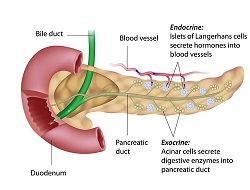
The pancreas is a gland behind your stomach and in front of your spine. It produces juices that help break down food and hormones that help control blood sugar levels. Problems with the pancreas can lead to many health problems.

Upper GI Endoscopy
An upper GI endoscopy or EGD (esophagogastroduodenoscopy) is a procedure to diagnose and treat problems in your upper GI (gastrointestinal) tract. The upper GI tract includes your food pipe (esophagus), stomach, and the first part of your small intestine (the duodenum).

Colonoscopy
A colonoscopy (koe-lun-OS-kuh-pee) is an exam used to detect changes or abnormalities in the large intestine (colon) and rectum.

Peptic Ulcer
A physician can run tests to determine if the peptic ulcer is caused by an infection (usually H. pylori) and prescribe antibiotics for treatment. A proton pump inhibitor to reduce the acid in the stomach is also often prescribed. Untreated, ulcers can not only cause pain, but may bleed, leading to anemia.